Beyond the Wall: Public Art, Belonging and Better City Experiences
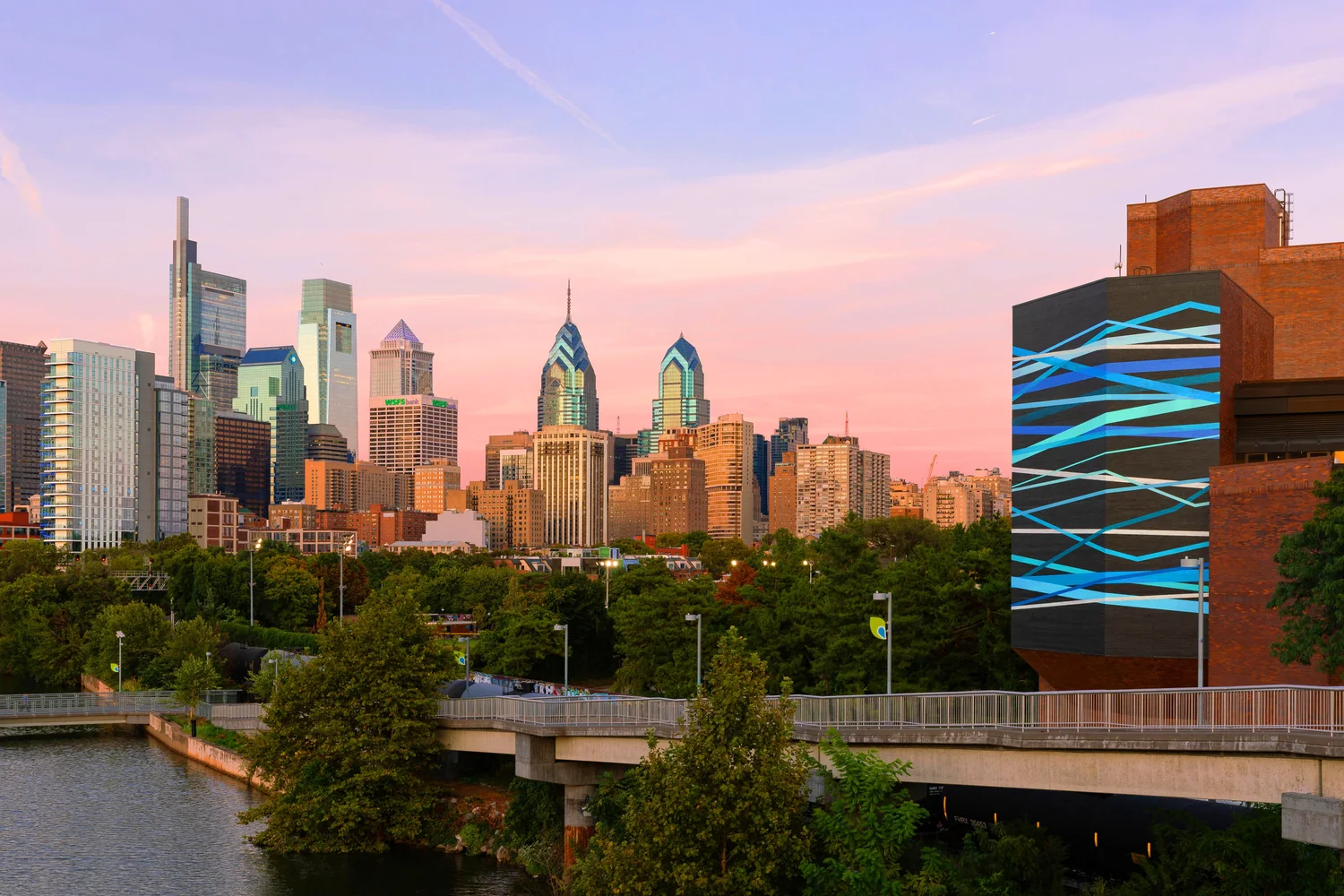
Convergence, Rebecca Rutstein / Mural Arts Philadelphia. Photo: Steve Weinik. Source · CC BY-SA 4.0
A mural can make a wall unforgettable. The more interesting question is what happens around it: who stops, whose story is recognised, whether a young person discovers a new creative skill, and whether the place still feels cared for a year later.
For people exploring public art in the UAE and across the Arab world, this is where the conversation becomes useful. An artwork can be admired as an image, experienced as part of a street, or created through a shared process. These are connected possibilities, but they are not the same thing.
What research can tell us
A 2026 study in Philadelphia examined how people experienced locations with and without murals. It found changes in certain perceptions of the surrounding place, with differences between neighbourhood contexts. The useful lesson is that a mural can affect more than the wall itself. The essential caution is that perceived safety is not the same as a measured reduction in crime.
Research in Berlin also examined the immediate experience of encountering public art. Its pre/post field study linked engagement with changes in reported connectedness and wellbeing, with meaningfulness playing a role. That invites a practical question for artists: can someone understand why this work belongs here, even without meeting its creator?
A laboratory study using videos of urban spaces found a more specific pattern: positive mood remained stable with art but decreased in the comparison conditions. It did not establish a general improvement in wellbeing. These findings call for careful interpretation and evaluation of the particular experience an artwork creates.
What this means for public art in Abu Dhabi and the wider GCC
Abu Dhabi Canvas provides one local precedent for bringing murals into everyday infrastructure: its March 2024 launch described work by Emirati and locally based artists at bus shelters. It shows how the public art conversation can include ordinary daily journeys as well as destination artworks.
Local design decisions still need local answers. For a proposed UAE mural or community activation, consider when the place is actually comfortable to use, how people reach it, which languages help explain it and whose stories inform the design. Treat shade, access, maintenance and community interpretation as part of the brief rather than details left until installation.
Arabic calligraphy, contemporary abstraction, figurative painting, projection and participatory work all offer creative possibilities. None should become a shortcut for a generic idea of regional identity. A stronger starting point is a real conversation with the people who live, work, study or spend time around the site.
Public art also cannot substitute for essential improvements to a place. A mural does not fix an inaccessible route, an unsafe crossing or a lack of comfortable seating. Where art forms part of a wider development, its contribution should be considered alongside those other conditions, not used to hide them.
For young artists: begin with a place, not a giant wall
Choose a place you can visit safely and observe without disrupting its users. Sketch how people move through it. Notice its scale, light, materials and existing stories. Then write one sentence: “I want this artwork to help people notice, understand or experience…”
Develop three small concepts before choosing a visual style. Explain each to a few willing people and listen to what they understand differently from you. Keep a record of how the feedback changes your idea. That record can become a thoughtful portfolio case study, even before a commission exists.
Practise on authorised surfaces with suitable supervision and materials. Learn budgeting, surface preparation, permissions, artist credit and maintenance as part of the craft. Public art brings artistic freedom into a shared space; learning how to work responsibly with others is part of becoming a capable practitioner.
For commissioners: ask what success would look like after opening day
A useful brief connects the artwork to an intended experience and a way to learn from it. Is the aim to make local stories more visible, create a meaningful learning opportunity or encourage people to explore a place? What would count as progress, and what would make the team reconsider its approach?
A Theory of Change makes those connections explicit. Evaluation frameworks such as the Warwick Business School review for DCMS can help organise the questions, but they do not remove the need for local judgement. A modest study before and after the work, explained honestly, can be more informative than a large collection of unsupported claims.
Ask who will care for the artwork, how participants' voices will be heard and how findings will be shared. Keep the opening celebration, the longer term public experience and the condition of the artwork in view together.
Keep the curiosity; strengthen the evidence
The opportunity for public art in the Arab world is not confined to producing more images of finished walls. There is room to develop artists, listen to communities, connect creative practice with the experience of place and learn from what happens after delivery.
The most useful question is not only “What could we paint here?” It is also “What could people discover here, and how will we know?”
DezArt welcomes conversations with artists, cultural organisations, developers and project teams exploring murals, public art and creative work led by communities. Bring a place, a question or an early idea. A considered brief can begin there.